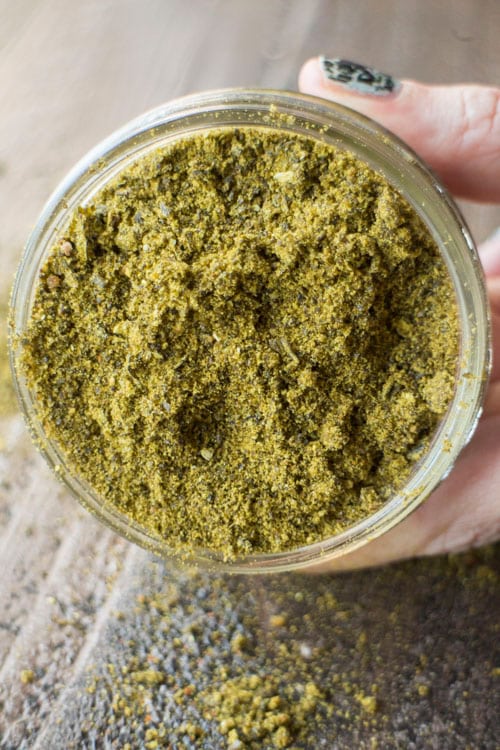
From Garden to Garnish: The Joy of Homemade Jalapeno Chili Flakes
As summer harvests overflow and gardens burst with vibrant produce, home cooks and food enthusiasts often seek innovative ways to preserve their bounty. Among the most rewarding and surprisingly simple preservation methods is transforming your fresh chili peppers into homemade flakes. If your jalapeno plants are producing more peppers than you can possibly consume fresh, learning
how to make crushed chili pepper flakes from jalapeno peppers is a game-changer. This process not only prevents waste but also equips your pantry with a versatile, intensely flavorful, and customizable spice that far surpasses anything you'll find in stores.
Imagine sprinkling flakes that carry the authentic, bright, and slightly grassy notes of a jalapeno, combined with a satisfying kick of heat, directly onto your favorite dishes. Unlike the ubiquitous store-bought crushed red pepper flakes—which are almost exclusively made from dried cayenne peppers and offer a singular, often one-dimensional heat—your homemade jalapeno flakes bring a unique character to the table. You control the heat, the texture, and ultimately, the flavor profile. This journey to
Unlock Flavor: Make Vibrant Jalapeno Pepper Flakes at Home is surprisingly straightforward, requiring minimal equipment and yielding maximum culinary reward.
Gather Your Gear: Dehydrator vs. Oven
The cornerstone of creating perfect homemade chili flakes is thorough and even drying. While a dehydrator offers the most foolproof and consistent results, an oven can also be successfully employed with a few adjustments. Understanding the pros and cons of each method will help you choose the best approach for your kitchen.
The Dehydrator Advantage
For enthusiasts of preserving and those with a steady supply of peppers, a food dehydrator is an invaluable tool. It allows for precise temperature control, typically around 125-135°F (52-57°C), which is crucial for drying peppers without "cooking" them. This low and slow approach ensures the peppers retain their vibrant color, delicate flavors, and essential oils, resulting in superior quality flakes. Dehydrators also promote excellent air circulation, a vital component in drawing out moisture evenly and efficiently, reducing the risk of mold or uneven drying. For those specifically looking into using a dehydrator, our guide on
How to Make Homemade Jalapeno Chili Flakes in Your Dehydrator offers even more detailed insights. The "set it and forget it" nature of a dehydrator, allowing for overnight drying, makes it the preferred choice for many.
Mastering Oven Drying
If a dehydrator isn't part of your kitchen arsenal, your conventional oven can absolutely get the job done. The key challenge with oven drying is maintaining a consistently low temperature. Most ovens aren't designed to go as low as 130°F. Therefore, you'll need to set your oven to its absolute lowest temperature setting—often around 170-200°F (77-93°C). To compensate for the higher temperature and to facilitate crucial airflow, you must keep the oven door slightly ajar. You can use a wooden spoon or a heat-safe silicone wedge to prop it open by about an inch. This allows moisture to escape and prevents the peppers from baking or toasting rather than drying. While requiring more vigilance, oven drying is a perfectly viable method for anyone determined to make crushed chili pepper flakes from jalapeno peppers.
The Step-by-Step Guide: How to Make Crushed Chili Pepper Flakes from Jalapeno Peppers
The process of transforming fresh jalapenos into potent, flavorful chili flakes is straightforward, involving three main stages: preparation, drying, and crushing.
Preparation is Key: Wash, Slice, and Deseed (Optional)
The journey begins with selecting fresh, firm jalapenos. Wash them thoroughly under cool running water to remove any dirt or garden debris. Pat them completely dry with a clean towel. Moisture is the enemy of drying, so ensure they are as dry as possible externally before proceeding.
Next, it's time to slice your peppers. For smaller jalapenos, simply slicing them in half lengthwise usually suffices. For larger or thicker-walled peppers, you might find it beneficial to slice them into uniform rings, approximately 1/4 inch thick. The goal is uniformity; thinner, more consistent pieces will dry more evenly and quickly.
When it comes to heat, the majority of a chili pepper's capsaicin (the compound responsible for spiciness) resides in the white pithy membranes and, to a lesser extent, the seeds. If you prefer a milder chili flake, you can carefully remove the seeds and membranes using a small spoon or the tip of a knife. For a hotter batch, leave them intact! Remember to wear gloves when handling hot peppers to prevent skin irritation, and avoid touching your face, especially your eyes, after handling them.
The Drying Process: Patience Pays Off
Arrange your prepared jalapeno slices in a single layer on your dehydrator trays or baking sheets. Ensure there's adequate space between each piece for optimal airflow. Overcrowding can lead to uneven drying and potentially mold.
* **For Dehydrators:** Set your dehydrator to 125-135°F (52-57°C). The drying time will vary depending on the thickness of your slices, the humidity of your environment, and your dehydrator's efficiency, but typically ranges from 12-24 hours. Check periodically.
* **For Ovens:** Place your baking sheets in the oven set to its lowest temperature (e.g., 170-200°F / 77-93°C) with the door propped open. This method might take longer, potentially 3-6 hours, sometimes more, so frequent checking is crucial to prevent burning. Turn the peppers occasionally for even exposure.
Regardless of the method, the peppers are fully dried when they are brittle, crackly, and snap easily when bent. There should be no remaining flexibility or moisture. If they bend, they need more time. Properly dried peppers are essential for long-term storage.
Crushing Your Way to Culinary Gold
Once your jalapenos are perfectly dry and brittle, it's time for the exciting final step: crushing them into flakes!
* **Manual Method:** For a rustic, chunky texture, place the dried peppers into a sturdy resealable plastic bag. Seal it, pressing out as much air as possible, and then crush them with your hands, a rolling pin, or even the bottom of a heavy pan. If you have sensitive skin, wrap the bag in a towel before crushing, as fine chili powder can sometimes permeate the plastic.
* **Mortar and Pestle:** For a slightly finer, more consistent flake, a mortar and pestle works beautifully. You can control the grind, creating anything from coarse flakes to a medium powder.
* **Spice Grinder/Coffee Grinder:** For the finest powder, or if you're processing a large batch, a dedicated spice grinder or a clean coffee grinder is highly efficient. Pulse the dried peppers in short bursts until you achieve your desired consistency, from fine flakes to a super-fine jalapeno powder. Be cautious when opening the grinder, as the airborne chili dust can be irritating to the eyes and respiratory passages.
Storage, Shelf Life, and Creative Culinary Uses
Once you've mastered
how to make crushed chili pepper flakes from jalapeno peppers, proper storage and creative usage become the next steps to maximizing your efforts.
Storing for Maximum Freshness
To preserve the flavor and potency of your homemade jalapeno chili flakes, store them in airtight containers, such as glass jars with tight-fitting lids. Keep them in a cool, dark pantry away from direct sunlight and heat. Moisture is their enemy, so ensure the container is completely dry before filling. Stored correctly, your homemade flakes can retain their vibrant flavor and heat for up to a year, though they are best enjoyed within 6-9 months for peak freshness. Over time, like all spices, their potency may gradually diminish.
Beyond the Pizza: Culinary Inspiration
While a dash of crushed red pepper flakes is a classic on pizza, your homemade jalapeno flakes offer a world of culinary possibilities thanks to their distinct flavor profile.
* **Everyday Seasoning:** Sprinkle them over scrambled eggs, avocado toast, grilled cheese, or popcorn for an instant flavor boost.
* **Marinades and Rubs:** Incorporate them into marinades for chicken, pork, or beef, or blend them into dry rubs for grilling and roasting. Their unique flavor complements smoky notes beautifully.
* **Soups and Stews:** Add a pinch to chili, lentil soup, or a hearty vegetable stew to build layers of warmth and flavor.
* **Roasted Vegetables:** Toss roasted broccoli, cauliflower, or Brussels sprouts with olive oil and a sprinkle of jalapeno flakes for an extra kick.
* **Dressings and Dips:** Whisk them into vinaigrettes for salads, or stir them into hummus, guacamole, or homemade salsa for a spicy twist.
* **Infused Oils:** Gently warm your homemade flakes in olive oil or another neutral oil to create a vibrant chili oil, perfect for drizzling over pasta, noodles, or anything needing a spicy finish.
Experiment with different amounts to find your preferred level of heat and flavor. The beauty of homemade flakes is that you control the intensity!
Conclusion: Elevate Your Spice Rack with Homemade Jalapeno Flakes
Learning
how to make crushed chili pepper flakes from jalapeno peppers is more than just a preservation technique; it's an act of culinary empowerment. It transforms a simple garden harvest into a deeply flavorful, versatile spice that reflects your personal taste and commitment to quality. The process is easy, the equipment minimal, and the rewards are abundant. From the unique, bright heat of jalapenos to the satisfaction of creating your own custom seasoning, homemade chili flakes are a pantry staple that will elevate countless dishes. So, next time your jalapeno plants are thriving, embrace the opportunity to craft your own batch of vibrant, flavorful flakes and infuse your cooking with an unparalleled depth of spice.